

7 Differences Between Eames LCW and DCW: The Definitive Expert Guide
When Charles and Ray Eames debuted their molded plywood chair collection in 1946, they fundamentally changed the trajectory of modern furniture design. By utilizing heat and pressure to bend plywood into complex, biomorphic curves, they created seating that was entirely revolutionary. However, decades later, buyers still routinely confuse the two most iconic pieces from this collection: the LCW (Lounge Chair Wood) and the DCW (Dining Chair Wood).

From our experience supplying mid-century modern furniture, purchasing the wrong model is one of the most frustrating and costly mistakes a homeowner or interior designer can make. While they share identical manufacturing techniques and a similar visual language, their physical dimensions, ergonomic geometry, and intended commercial applications are vastly different. If you are trying to decide which iconic plywood chair to invest in, you must understand the precise differences between Eames LCW and DCW to ensure you make the correct buying decision.
Quick Answer: Core Differences
The 7 primary differences between Eames LCW and DCW lie in their intended function and resulting geometry:
- Seat Height: The LCW has a low lounge height of 15 inches; the DCW has a standard dining height of 18 inches.
- Backrest Pitch: The LCW backrest is deeply reclined for relaxation; the DCW is upright for active sitting.
- Overall Width: The LCW features a wider, more expansive seat pan compared to the narrower, compact DCW.
- Leg Architecture: The LCW legs splay outward to establish a low center of gravity; the DCW legs are longer and more vertical.
- Intended Application: LCW is for living rooms and reading nooks; DCW is for dining tables and desks.
- Shock Mount Tuning: The rubber shock mounts are positioned differently to absorb the distinct weight distributions of lounging versus upright sitting.
- Visual Footprint: The LCW commands space as a standalone statement piece, while the DCW is designed to be visually appealing when grouped in sets of four or six.
Table of Contents
- What Are the Eames LCW and DCW?
- How the Molded Plywood Design Works
- The 7 Differences Between Eames LCW and DCW
- Benefits of Each Model
- Limitations You Must Consider
- Who Should Use Which Chair
- Common Interior Design Mistakes
- Crucial Buying Considerations
- Summary and Comparison Tables
- Expert Recommendation from Wenaifurniture
- Frequently Asked Questions
What Are the Eames LCW and DCW?
Before we dissect the differences, we must define the acronyms. The Eames LCW stands for Lounge Chair Wood, while the DCW stands for Dining Chair Wood. Following their experiments molding plywood leg splints for the US Navy during World War II, Charles and Ray Eames applied their "Kazam! Machine" technology to civilian furniture. They realized that by molding the seat and backrest separately and attaching them to a central plywood spine, they could create a chair that contoured perfectly to the human body without requiring expensive upholstery.
While many buyers are familiar with the heavier, upholstered replica Charles Eames lounge chair and ottoman, the LCW and DCW represent the purest, unadulterated expression of the Eames philosophy: honest materials, mass-production capabilities, and uncompromising ergonomic support.
How the Molded Plywood Design Works
The magic of both the LCW and DCW lies not just in the bent wood, but in the connections. In most professional situations, a wooden chair is rigidly glued and screwed together. The Eameses, however, utilized heavy-duty rubber shock mounts glued to the plywood components. The spine and legs are then bolted into these rubber mounts rather than directly into the wood.
How it works is brilliant: when you sit down, the rubber compresses and flexes. This allows the stiff plywood backrest to move and pivot with your shifting body weight. In our testing of mid-century seating, this shock mount technology is what transforms a hard wooden surface into a piece of remarkably comfortable, kinetic furniture. Understanding this mechanism is vital when evaluating the differences between Eames LCW and DCW, as the mounts are positioned differently to accommodate distinct postures.
The 7 Differences Between Eames LCW and DCW
1. Seat Height and Ground Clearance

This is the most critical functional difference. The LCW boasts a low-slung seat height of approximately 15 inches from the floor, dipping slightly lower at the rear to cradle the hips. The DCW sits at a standard dining height of 18 inches. If you pull an LCW up to a standard 30-inch dining table, your chin will barely clear your dinner plate.
2. Backrest Pitch and Posture
The LCW is engineered for leisure. Its backrest sits at a relaxed, reclined angle, inviting the user to sink back and cross their legs. Conversely, the DCW forces a much more upright, active posture. The backrest is pitched vertically to ensure that when you lean forward to eat or type, your lumbar spine remains fully supported.
3. Overall Width and Dimensions
Because lounging requires more lateral freedom, the LCW is physically wider and deeper than the DCW. The LCW acts as a standalone armchair alternative, whereas the DCW has a narrower footprint, allowing you to slide multiple chairs side-by-side underneath a dining table without the legs tangling.
4. Leg Architecture and Base Geometry
To support the reclined posture of the LCW without tipping backward, the Eameses splayed the legs significantly wider, creating a low, wide, and incredibly stable base. The DCW features longer, straighter legs that extend vertically, elevating the center of gravity to align with standard table heights.
5. Intended Functional Application
The differences between Eames LCW and DCW are rooted in utility. The LCW belongs next to a low-profile coffee table—such as a bentwood coffee table modern design or a Noguchi style coffee table replica. The DCW belongs strictly in a dining room, a breakfast nook, or utilized as a minimalist desk chair in a home office.
6. Shock Mount Positioning
Because the angle of sitting is different, the distribution of human weight is different. The rubber shock mounts on the DCW are calibrated and positioned to absorb downward, active weight. The mounts on the LCW are positioned to absorb the diagonal, backward thrust of a lounging body. High-quality replicas must replicate these precise engineering geometries to avoid catastrophic structural failure over time.
7. Visual Impact and Grouping
From an interior design perspective, the LCW is a sculptural statement piece. It demands breathing room. Placing two LCWs opposite a sofa creates a stunning mid-century vignette. The DCW, while beautiful, is designed for repetition. It looks best when grouped in sets of four or six around a central dining table, acting as a cohesive architectural unit.
Benefits of Each Model
Benefits of the LCW: It provides the comfort of a massive armchair without the visual bulk. It is light enough to move around a living room effortlessly and maintains a low sightline, making small rooms appear much larger.
Benefits of the DCW: It brings sculptural mid-century elegance to the dining room without sacrificing practicality. The upright posture is incredibly supportive for long dinners, and the narrow profile allows for maximum seating capacity.
Limitations You Must Consider
We believe in commercial and practical judgment, which means acknowledging where these chairs fail. The limitation of the LCW is its singular focus: it cannot be used at a desk, dining table, or makeup vanity. It is strictly for low-level lounging. The limitation of the DCW is its firmness during prolonged leisure. While comfortable for a two-hour dinner, you will not want to spend a Sunday afternoon reading a novel in a DCW.
Who Should Use Which Chair
Who should use the LCW: We recommend the LCW for homeowners looking to complete a living room seating arrangement, waiting room designers, and anyone seeking stylish sofa chairs for modern homes that don't overwhelm the space with heavy upholstery.
Who should use the DCW: Commercial users outfitting high-end cafes, professionals designing minimalist home offices, and homeowners upgrading their dining room seating should universally opt for the DCW.
Common Interior Design Mistakes
The most egregious mistake we see is buyers purchasing the LCW solely based on its famous silhouette, intending to use it at a desk. Because the LCW seat height is 15 inches, standard 30-inch desks will feel comically tall, rendering the chair useless for work. Another common mistake is ignoring the wood grain. When mixing an LCW with other wood furniture, failing to match the tones (e.g., placing a Walnut LCW next to an Oak credenza) can cause visual clashing.
Crucial Buying Considerations
Whether you are purchasing authentic antiques or high-end reproductions, you must evaluate the construction. Look for five-ply wood construction on the seat and back, and eight-ply construction on the legs for maximum stability. Inspect the rubber shock mounts; cheap overseas knockoffs use rigid plastic or weak glue that snaps under pressure. Furthermore, you must decide between wood finishes. Walnut provides a classic, warm mid-century feel, while Ash or molded Black painted variants offer a stark, contemporary edge.
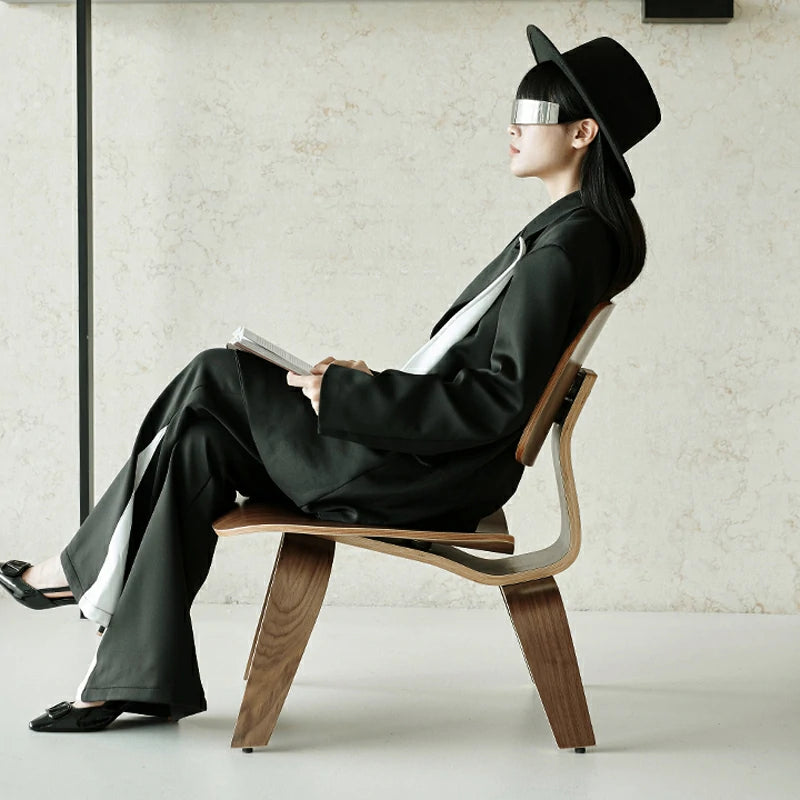
Wenaifurniture Replica Eames Molded Plywood Lounge Chair (LCW)
Experience the definitive lounge posture of the 1940s with our precision-engineered LCW replica. Built strictly to the original Eames geometry, this piece features authentic five-ply ash construction and highly flexible rubber shock mounts that move dynamically with your body.
- Frame: Moulded ash plywood
- Connection: Seat and backrest attached to base via kinetic shock mounts
- Dimensions: 680mm x 560mm x 640mm
- Seat Height: Ergonomic low-lounge profile
- Best For: Buyers looking for high-quality finishes and authentic design without the auction-house price tag.
Summary and Comparison Tables
| Specification | Eames LCW (Lounge) | Eames DCW (Dining) |
|---|---|---|
| Seat Height | 15 inches (38 cm) | 18 inches (45 cm) |
| Posture Angle | Reclined, relaxed | Upright, active |
| Leg Stance | Wide, splayed base | Narrower, vertical base |
| Ideal Pairing | Low Coffee Tables | Standard 30" Dining Tables |
| Chair Model | Pros | Cons |
|---|---|---|
| LCW | Exceptional lounge comfort; striking standalone visual presence; creates spacious sightlines. | Cannot be used at desks or dining tables; requires more lateral floor space. |
| DCW | Perfect ergonomic dining height; compact footprint allows grouping; highly versatile for active work. | Too upright for casual, long-term lounging; less visual impact when standing alone. |
Expert Recommendation from Wenaifurniture
If you must choose just one, prioritize the intended use case over aesthetics. In most professional situations, we recommend purchasing the LCW if you have an empty corner in a living room, bedroom, or home library. The LCW is an undisputed masterpiece of lounge geometry and holds its own alongside heavier pieces like the green corduroy Eames lounge chair replica.
However, if you need functional seating for eating or working, buying an LCW is a terrible mistake. You must purchase the DCW. For buyers who appreciate mid-century design but require a taller, upright seat, understanding these mechanical differences is what separates amateur decorators from seasoned professionals. If you are exploring other Eames seating options for different heights, you might also consider the replica Eames time life stools or read our guide on the Eames lounge chair standard vs tall version.
Frequently Asked Questions
Can I use an Eames LCW at a dining table?
No. The seat height of the LCW is only 15 inches, and the back is heavily reclined. A standard dining table is 30 inches high. Sitting in an LCW at a dining table will put the tabletop near your chest, making it impossible to eat or work comfortably.
What do LCW and DCW stand for?
In Eames nomenclature, LCW stands for "Lounge Chair Wood" and DCW stands for "Dining Chair Wood". These acronyms explicitly dictate the intended function and height of the molded plywood chairs.
Are the shock mounts on replica Eames chairs reliable?
It depends entirely on the manufacturer. High-quality replicas, like those tested and provided by Wenaifurniture, use premium kinetic rubber shock mounts attached with industrial-grade epoxies that mirror the original design. Cheap knockoffs often use rigid plastic mounts that lack flex and ultimately snap the plywood.
Authoritative References & Industry Standards
To ensure our analysis adheres to the highest standards of architectural and design history, we reference the following authoritative organizations:
- The Eames Office - The official organization preserving the legacy, design standards, and historical documentation of Charles and Ray Eames.
- The Museum of Modern Art (MoMA) - Curatorial archives detailing the invention of the Eames Kazam! machine and the cultural impact of molded plywood furniture.
- Architectural Digest - Industry-standard publications regarding interior design best practices, spatial planning, and mid-century furniture integration.